
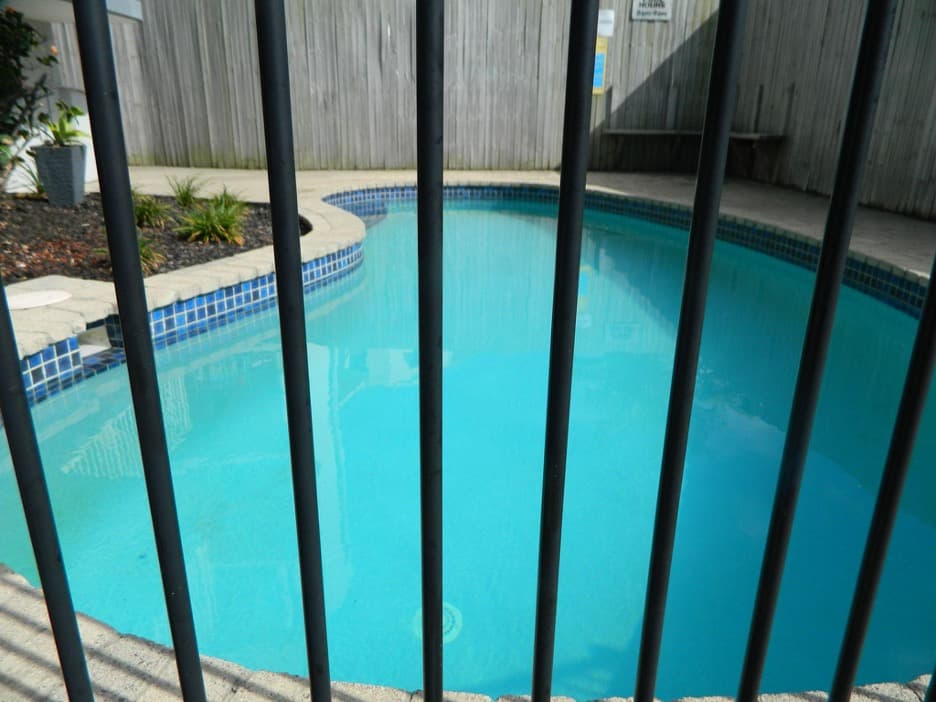
Pool fencing should support safety first, with design and appearance chosen around that goal.
• Common pool fence requirements focus on barrier height, limited openings, and gates that self-close and self-latch.
• Aluminum, vinyl, and mesh each offer different advantages for visibility, privacy, maintenance, and corrosion resistance.
A backyard pool should feel relaxing, but the fence around it has an important safety role. If you are comparing the best fence for pool areas, start with local pool fence requirements, then consider visibility, privacy, durability, and maintenance. EAC Fence can help homeowners choose a pool safety fence that fits the property while supporting a clean, finished look.
Understand Common Pool Fence Safety Requirements
Common pool safety standards focus on creating a barrier that is difficult for children to climb or pass through. Requirements may address fence height, spacing between openings, and gates that self-close and self-latch. Horizontal rails can also affect climbability, so fence layout matters as much as material choice. Exact requirements can vary by community, so local planning matters before installation.
Compare Pool Fence Materials
Aluminum pool fencing is popular because it provides strong visibility around the water and resists corrosion when properly finished. Vinyl can offer more privacy and requires relatively simple upkeep. Mesh fencing offers an open view and flexible placement, but homeowners should confirm the selected system meets local requirements.
Balance Safety, Visibility, and Privacy
Think about how much of the pool you want visible from the house, how much privacy you want from neighbors, and how the fence will handle moisture and pool chemicals over time. Our team can help you compare materials, gate placement, and design choices for your backyard.
Ready to plan your pool enclosure? Get a quote to discuss a fence that fits your safety needs, property, and style.